How to Make Money on Airbnb: What Hosts Actually Earn (and Spend)
The Airbnb income stories that get shared online are real — people do earn meaningful monthly income hosting spare rooms and investment properties. But the math between “gross bookings” and “money in your pocket” has several stops that the success stories often skip. Here’s an honest look at what hosting actually produces and what it actually costs.
What You Can Realistically Earn
Airbnb income depends on three variables above everything else: your location’s demand, your pricing strategy, and your occupancy rate.
A spare bedroom in a average US city with reasonable demand can earn $600-$1,200/month at 70% occupancy if priced well. A private apartment or home in a strong tourist or business-travel market can earn $2,000-$5,000+/month. Both numbers require active hosting — consistent communication, competitive pricing adjustments based on local events, and quality photos that actually get clicks.
Passive approaches — set it and forget it, minimal communication, generic photos — typically earn 30-50% less than active hosting for the same property. The delta is biggest in competitive markets where the next listing is one scroll away.
What Hosting Actually Costs
The most common mistake new hosts make is equating booking revenue with income. The real costs:
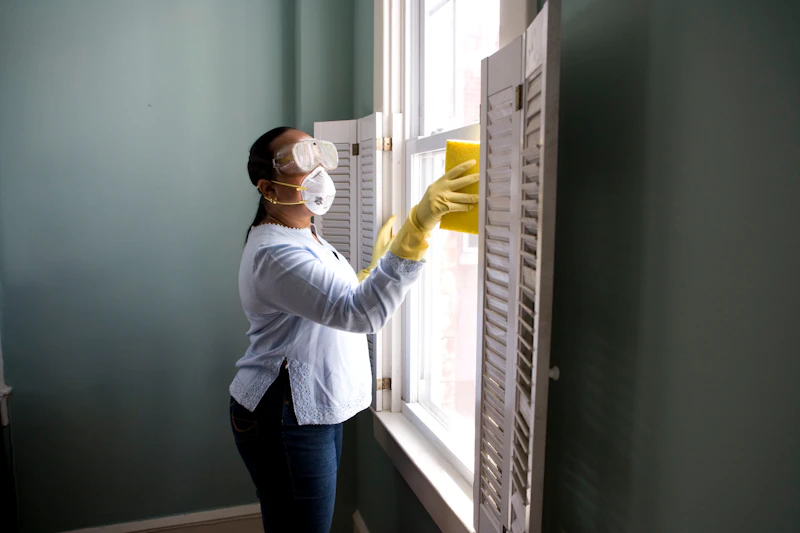
Cleaning: Every turnover requires a cleaning. If you do it yourself, that’s 1-3 hours per turnover. If you hire it out, expect $60-$150 per cleaning depending on location and size. At two guests per week, that’s $480-$1,200/month in cleaning costs alone on a full property.
Supplies and toiletries: Shampoo, soap, toilet paper, coffee, paper towels, trash bags — guests use them, you replace them. Budget $20-$60/month for a spare room, $80-$150/month for a full property.
Wear and damage: Guests break things, stain things, and wear things out faster than solo occupancy would. Airbnb’s AirCover provides some protection for documented damage, but small-dollar damage below the threshold and accelerated wear aren’t covered. Budget 5-10% of gross income for replacement and maintenance.
Airbnb’s service fee: Airbnb takes 3% of each booking from the host side. Guests pay a separate fee, but your cut is always 97% of what you listed.
A realistic net: For a spare bedroom earning $800/month gross, after cleaning, supplies, and platform fees, you might net $500-$650. Still meaningful — but know the real number before you price your hospitality.
How to Get More Bookings
Photos are the single highest-leverage factor. Listings with professional-quality photos consistently outperform those with phone snapshots. If you can’t afford a photographer, borrow a camera, use good natural light, and stage the space as though it’s a magazine shoot. The difference in clicks — and therefore bookings — is substantial.
Price dynamically. Don’t set a price and forget it. Adjust based on local events (concerts, conferences, sports), weekdays vs. weekends, and seasonal demand. Tools like PriceLabs or Wheelhouse automate this.
Respond within an hour. Airbnb prominently displays response rate and speed in your listing. Hosts with fast response times rank higher in search results and get more bookings. Set phone notifications for new messages and treat them like work.
The Tax Reality
Airbnb income is taxable. Airbnb sends a 1099-K if you earn over $600/year (federal threshold as of 2024). If you rent out part of your primary residence, you can deduct a proportional share of mortgage interest, property taxes, utilities, insurance, and depreciation for the portion rented. Keep meticulous records of all expenses, because the deductions can be substantial.
Is It Worth It?
Compared to other side hustles, Airbnb hosting has a relatively high income ceiling but also a high time investment and upfront cost to set up properly. It works best for people who:
- Have a space that’s genuinely desirable to travelers
- Live in or own property in a high-demand area
- Are willing to treat it like a small business, not a passive investment
For people who need extra income with lower time commitment, other side hustles may produce a better hourly return. But if you have the space and the location, consistent Airbnb hosting is one of the more reliable ways to generate $500-$2,000/month in supplemental income. If you’re still working on your financial foundation before adding a side income, our guide on saving your first $1,000 is a good first step — the cash buffer matters before adding new financial complexity.
Related reading: Save Your First $1,000 in 3 Months and Passive Income Ideas That Work.